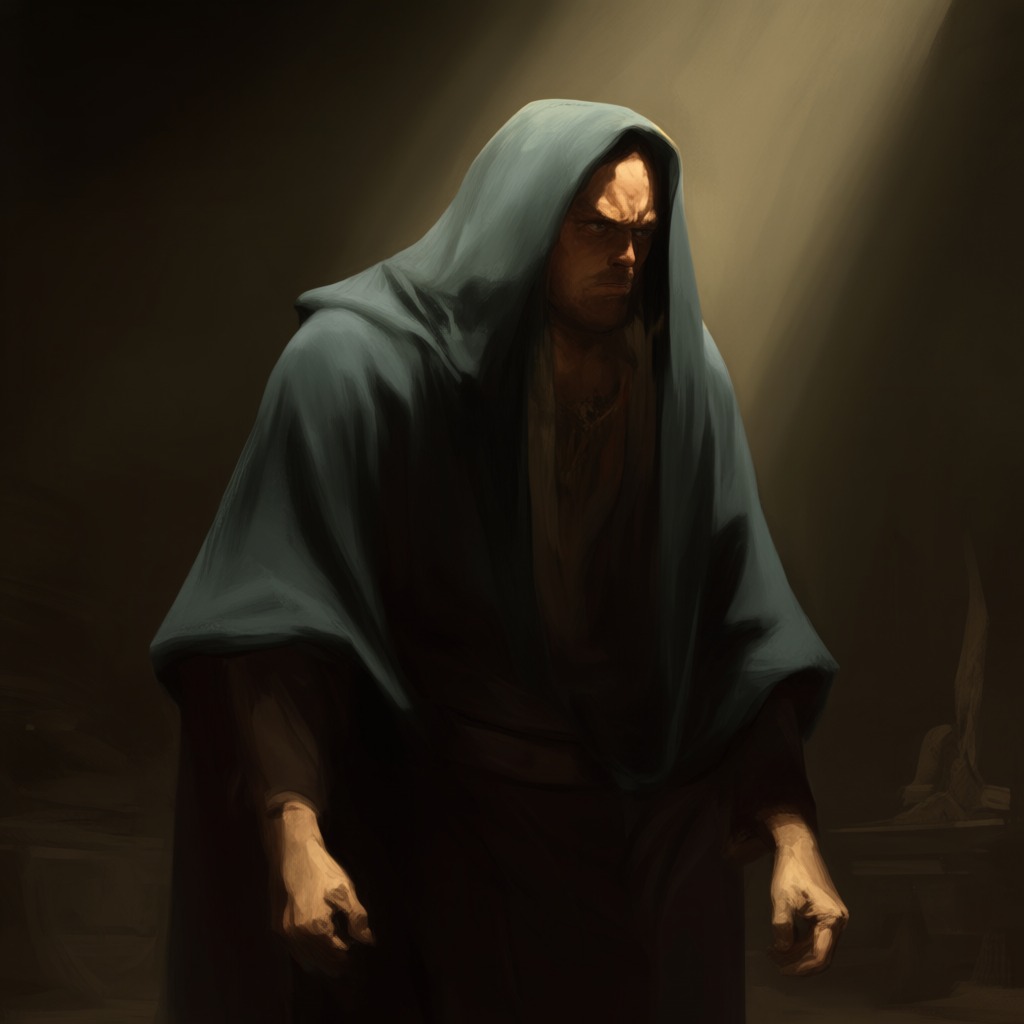
John of Jandun
John of Jandun was a French philosopher and theologian of the early fourteenth century, a leading figure among the imperial theologians who supported Emperor Louis the Bavarian against Pope John XXII. He is known for his collaboration with Marsilius of Padua on the Defensor Pacis, a radical treatise on the separation of church and state, and for his role in shaping the intellectual arguments that justified the Emperor's authority over the papacy. In The Name of the Rose, he is mentioned as a key ally of William of Baskerville, whose ideas about temporal power and the poverty of Christ are woven into the novel's central debates.
Identity and Intellectual Background
John of Jandun was a French philosopher and theologian active in the early fourteenth century, a period of intense conflict between the papacy and the Holy Roman Empire. He is best known for his collaboration with Marsilius of Padua on the Defensor Pacis, a treatise that argued for the separation of spiritual and temporal authority, asserting that the emperor held power directly from God and was not subject to papal approval. This work became a foundational text for the imperial theologians who supported Emperor Louis the Bavarian in his struggle against Pope John XXII. John of Jandun's ideas were considered radical and heretical by the Avignon papacy, and he was condemned for his views.
Role in the Imperial-Papal Conflict
In The Name of the Rose, John of Jandun is mentioned as a key figure among the imperial theologians whose ideas William of Baskerville represents during the debate on the poverty of Christ. William, as the Emperor's envoy, expounds the positions of Marsilius and John of Jandun, arguing that temporal power is independent of the church and that the Pope has no authority to depose the Emperor. This position is central to the political conflict that frames the novel's mystery. William's own views on the relationship between church and state, as expressed in his speech to the papal legates, echo the arguments of the Defensor Pacis, particularly the idea that the people, through their elected representatives, are the source of political authority.
Connection to the Debate on Poverty
John of Jandun's ideas are also linked to the Franciscan debate on the poverty of Christ. The imperial theologians, including John of Jandun, supported the Franciscan position that Christ and the apostles owned no property, as a way to undermine the Pope's claim to temporal power. This connection is made explicit in the novel when William, during the debate, suggests that if Christ's poverty could be proved, it would strengthen the argument that Jesus had not sought any earthly jurisdiction. The novel thus presents John of Jandun as part of a broader intellectual movement that sought to use theological arguments to challenge papal authority.
Narrative Significance
John of Jandun is not a character who appears in the novel, but his ideas are a crucial part of the intellectual landscape that William navigates. He is mentioned alongside Marsilius of Padua as one of the thinkers who have influenced William's own political philosophy. The novel's treatment of John of Jandun reflects the broader historical context of the early fourteenth century, when the conflict between the papacy and the empire was fought not only with swords but also with ideas. His presence in the novel serves to ground the fictional mystery in real historical debates about power, authority, and the nature of truth.